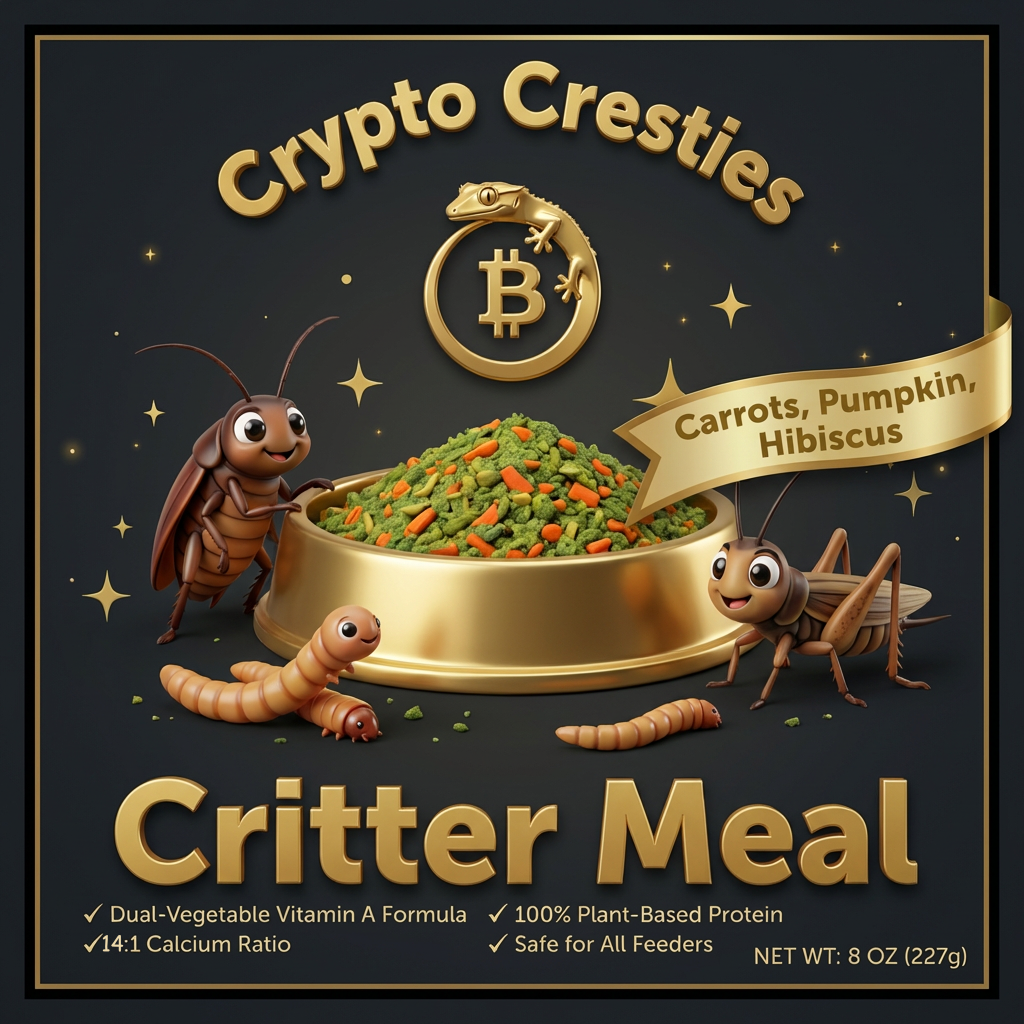
Crypto Cresties

Critter Meal

The science-backed, 100% plant-based premium gut-load for all your feeder insects. Roaches, crickets, mealworms & more. 9 superfoods. Zero compromise.

100% Plant-Based Zero Casein 15% Protein โ€” All Feeders 14:1 Calcium Ratio Research-Backed Safe for All Feeders
Get Critter Meal
Critter Meal by Crypto Cresties
9
Superfood Ingredients
15.0%
Protein (All Feeders)
4.2%
Calcium Content
14:1
Ca:P Ratio
15,000+
IU Vitamin A
0%
Casein / DL-Methionine

Why Critter Meal is Superior

Every ingredient chosen for a reason. Every claim backed by peer-reviewed science.

๐Ÿฅ•

Dual-Vegetable Vitamin A Powerhouse

Most competitors use a single vegetable โ€” or none at all. We combine Carrots (16,706 IU) and Pumpkin (12,230 IU) for the highest Vitamin A content available in any gut-load formula.

Peer-reviewed research confirms Vitamin A deficiency causes dysecdysis (poor shedding) in reptiles.ยน Your gecko's healthy shed starts here.

๐ŸŒฟ

100% Plant-Based Protein

Competitors use dog food loaded with CASEIN โ€” a milk protein scientifically proven to cause 2ร— MORE uric acid buildup in insects than plant proteins.ยฒ Uric acid transfers to your gecko, causing gout and kidney damage.

We use only alfalfa, oats, and nutritional yeast. Pure plant nutrition. Zero risk.

๐Ÿฆด

Highest Calcium in the Industry

4.2% Calcium with a high 14:1 Ca:P Ratio โ€” that's 30โ€“50% more calcium than leading brands. Metabolic Bone Disease (MBD) is the #1 killer of captive reptiles. We make sure your gecko never faces that risk.

๐Ÿ’ช

Science-Backed Protein Level

Multiple independent studies confirm that excess dietary protein causes feeder insects to store uric acid in their fat bodies โ€” uric acid that transfers directly to your gecko when the insect is eaten. Hamilton & Schal (1988, Annals of the Entomological Society of America) documented that high-protein diets cause toxic uric acid accumulation and early death in cockroaches. Cerreta et al. (2021, Zoo Biology) confirmed that surplus nitrogen from protein-rich diets is stored as uric acid in the fat body across multiple cockroach species. The Merck Veterinary Manual lists high-protein feeder diets as a known predisposing factor for gout in captive reptiles.

Critter Meal is formulated at exactly 15.0% protein โ€” a conservative, research-supported threshold. Competitors often push 20โ€“30%. Safe for roaches, crickets, mealworms, superworms, and more.

๐ŸŒˆ

4 Carotenoids for Vibrant Colors

Beta-carotene (carrots & pumpkin), Lutein & Zeaxanthin (spirulina), and Anthocyanins (hibiscus) โ€” four distinct carotenoids that research has experimentally proven to increase yellow and red coloration in reptiles.ยณ

๐Ÿ

Premium Superfood Ingredients

Bee Pollen โ€” complete amino acids & minerals.
Spirulina โ€” 60% protein, powerful antioxidants.
Hibiscus โ€” Vitamin C & immune support.
Nutritional Yeast โ€” full B-vitamin complex.

Competitors use wheat bran and corn meal. We use superfoods.


๐ŸŒฟ The Plant Protein Advantage โ€” Why It Matters for Your Gecko

This is the most important thing you'll read about feeder insect nutrition. Most gut-load products on the market use dog food or cat food as a cheap protein source. Here's why that's a problem for every feeder insect you keep โ€” and why we do things differently.

โš ๏ธ The Casein Problem

A landmark study by Mullins & Cochran (1975) found that casein protein โ€” found in dog food and dairy products โ€” causes 2ร— more uric acid accumulation in feeder insects compared to plant proteins at the same percentage. Uric acid doesn't stay in the insect. It transfers directly to your gecko when eaten, accumulating in joints and kidneys over time, leading to gout, organ damage, and shortened lifespan. This applies to all your feeders: roaches, crickets, and mealworms alike.

โš ๏ธ The DL-Methionine Problem

DL-Methionine is a synthetic amino acid added to virtually all commercial poultry feeds, pet foods, and many commercial gut-load products as a cheap protein booster. It is found in nearly every major cricket diet and feeder insect food on the market. Here is why it is a serious concern for reptile keepers.

1. It acidifies urine โ€” and reptile kidneys cannot handle it. DL-Methionine is metabolized into sulfuric acid in the body, which lowers urinary pH. In mammals, this is sometimes used therapeutically to dissolve struvite bladder stones. But reptiles excrete waste as uric acid โ€” not urea โ€” through renal tubules that are highly sensitive to pH changes. Acidification of the renal tubular environment disrupts uric acid secretion, causing it to precipitate as crystals in the kidney tissue itself. This is a direct pathway to visceral gout and renal failure โ€” the leading cause of death in captive insectivorous reptiles. Veterinary literature notes that DL-methionine has been experimentally used to deliberately damage renal tubules in reptile research models precisely because of this mechanism.

2. It is the D-isomer โ€” not the natural form. Natural methionine in food is the L-isomer (L-methionine). DL-Methionine is a synthetic racemic mixture containing the D-isomer, which does not occur in nature. While the D-isomer can be partially converted to L-methionine in some species, this conversion is inefficient and places additional metabolic burden on the liver and kidneys. The excess D-methionine must be excreted โ€” adding to the overall nitrogen load that the reptile's kidneys must process after eating gut-loaded insects.

3. It accumulates through the food chain. When feeder insects consume DL-Methionine-containing gut-loads, it is incorporated into their tissues. When your gecko eats those insects, it receives a concentrated dose of this synthetic compound โ€” meal after meal, for the life of the animal. The long-term cumulative effect on reptile renal function is not well-studied, but the mechanism of harm is well-established in veterinary and comparative physiology literature.

Critter Meal contains zero DL-Methionine. Every gram of protein in this formula comes from whole food plant sources โ€” alfalfa meal, rolled oats, spirulina, bee pollen, and nutritional yeast โ€” that provide naturally balanced amino acid profiles without synthetic additives.

โœ“ Our Plant-Based Solution

Critter Meal uses alfalfa meal, rolled oats, and nutritional yeast as its protein base. Together, these plant sources provide a complete amino acid profile โ€” without casein, without DL-Methionine, and without the uric acid risk. Every feeder in your colony stays healthier, and so does your gecko.

Critter Meal vs. The Competition

See how we stack up against leading gut-load brands.

Feature Critter Meal Typical Competitors
Protein Level 15.0% (Research-Backed Safe Limit) 20โ€“30% (Dangerous)
Protein Source 100% Plant-Based Dog food / Casein
Casein None Present (2ร— uric acid)
DL-Methionine None Present
Calcium Content 4.2% 2โ€“3%
Ca:P Ratio 14:1 2:1 or less
Vitamin A Source Dual (Carrots + Pumpkin) None or single source
Carotenoids 4 distinct types 0โ€“1
Bee Pollen Yes Rarely
Spirulina Yes Rarely
Research Citations 3+ peer-reviewed studies None
Works for All Feeders Roaches, Crickets, Mealworms, Superworms & More Usually roaches only

9 Premium Ingredients

Every ingredient chosen for maximum nutritional benefit. No fillers. No shortcuts.

Alfalfa Meal 37.9%
Alfalfa Meal
High calcium, plant protein, low phosphorus. The calcium backbone of the formula.
Rolled Oats 31.2%
Rolled Oats
Highly palatable. Insects love it. Digestible carbohydrate & protein source.
Calcium Carbonate 9.1%
Calcium Carbonate
Pure elemental calcium. Drives the high Ca:P ratio. Prevents MBD.
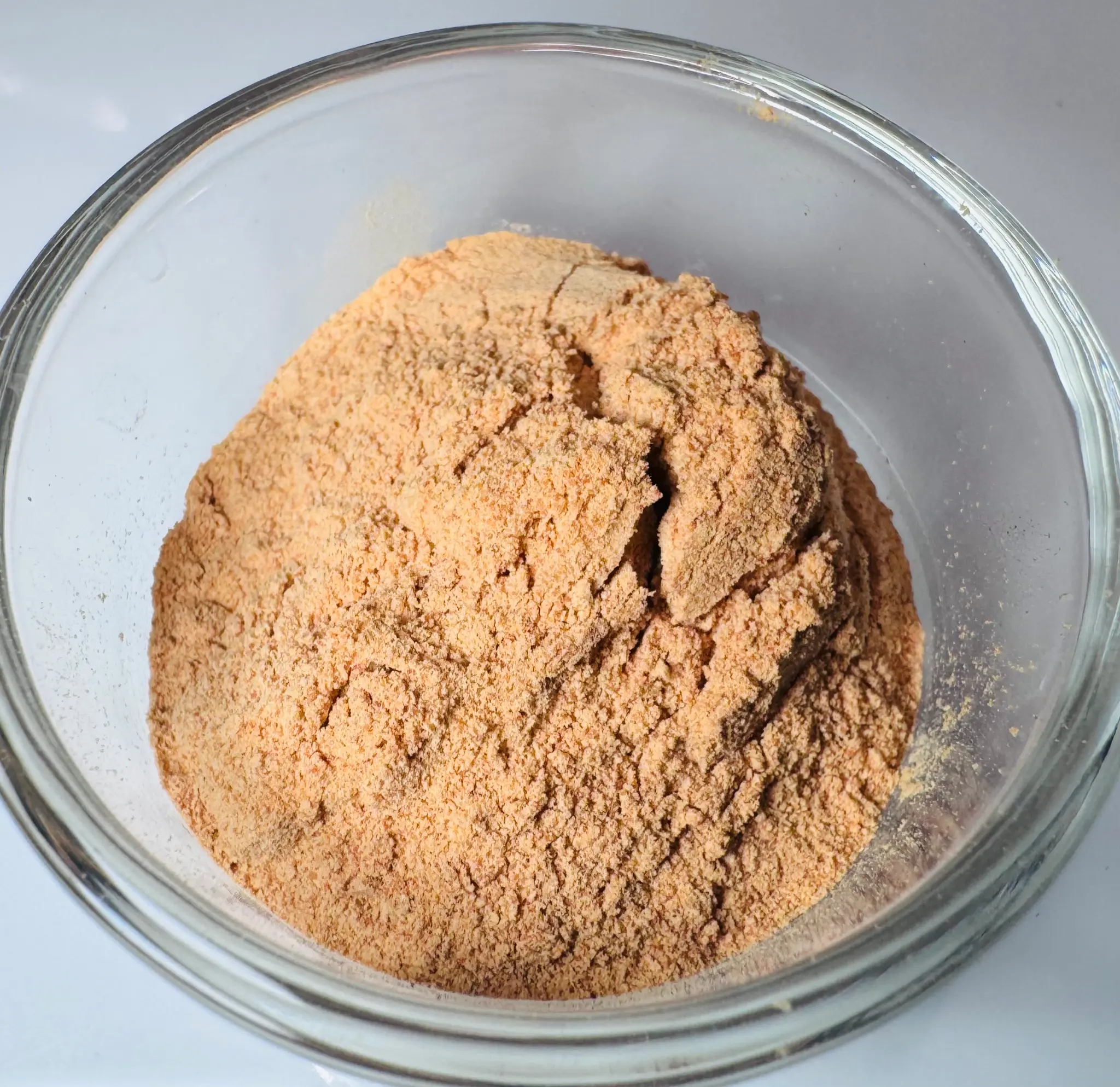
Carrot Powder 4.5%
Carrot Powder
16,706 IU Vitamin A per 100g. Beta-carotene for vibrant coloration.
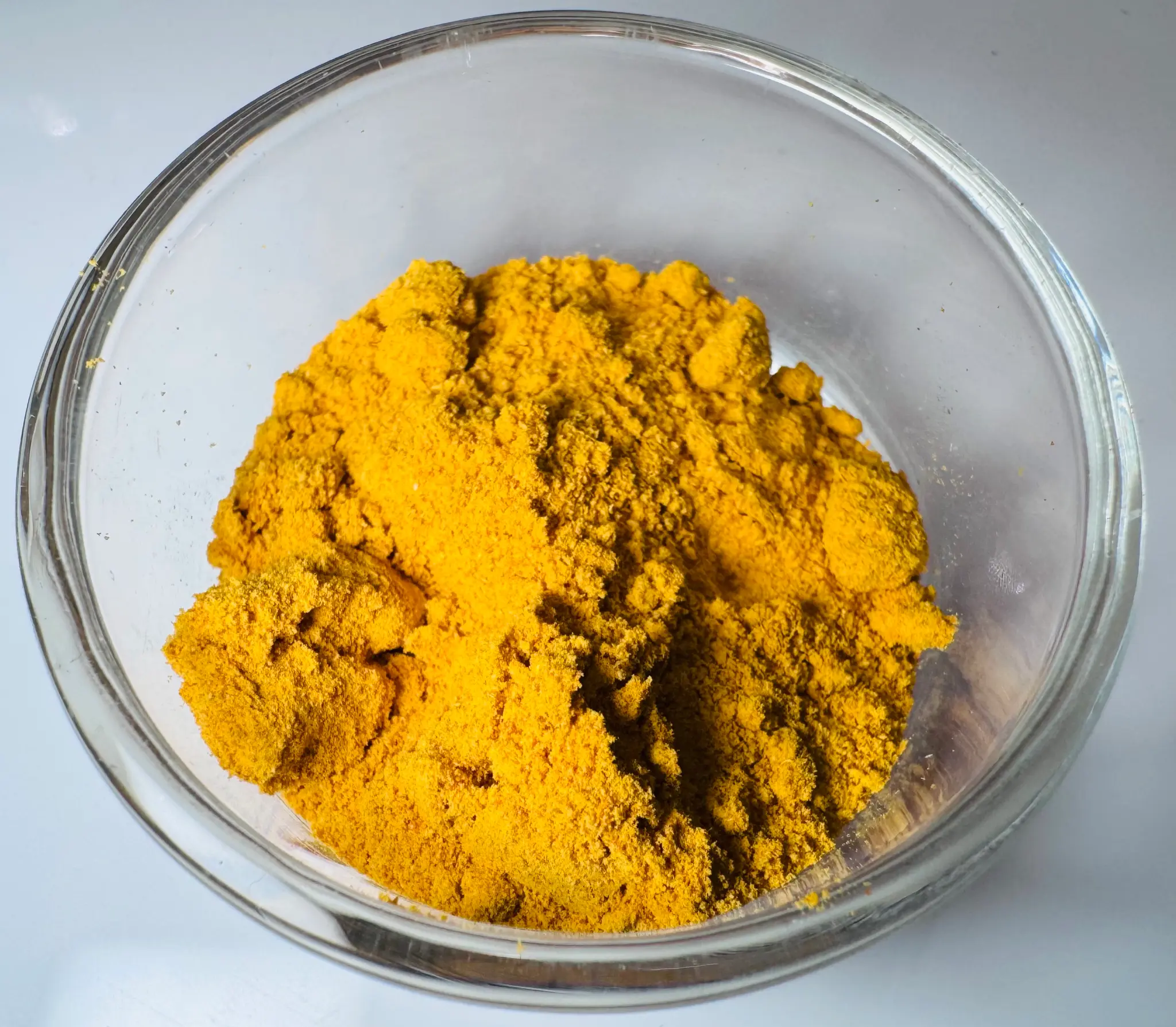
Pumpkin Powder 4.5%
Pumpkin Powder
12,230 IU Vitamin A per 100g. Fiber-rich. Pairs with carrots for maximum Vitamin A.
Hibiscus Flower Powder 4.5%
Hibiscus Flower Powder
Vitamin C, anthocyanins for color, immune-supporting antioxidants.
Bee Pollen 3.5%
Bee Pollen
Complete amino acid profile. Natural vitamins, minerals & enzymes.
Spirulina Powder 3.4%
Spirulina Powder
Lutein & zeaxanthin for color. Powerful antioxidants & immune support.
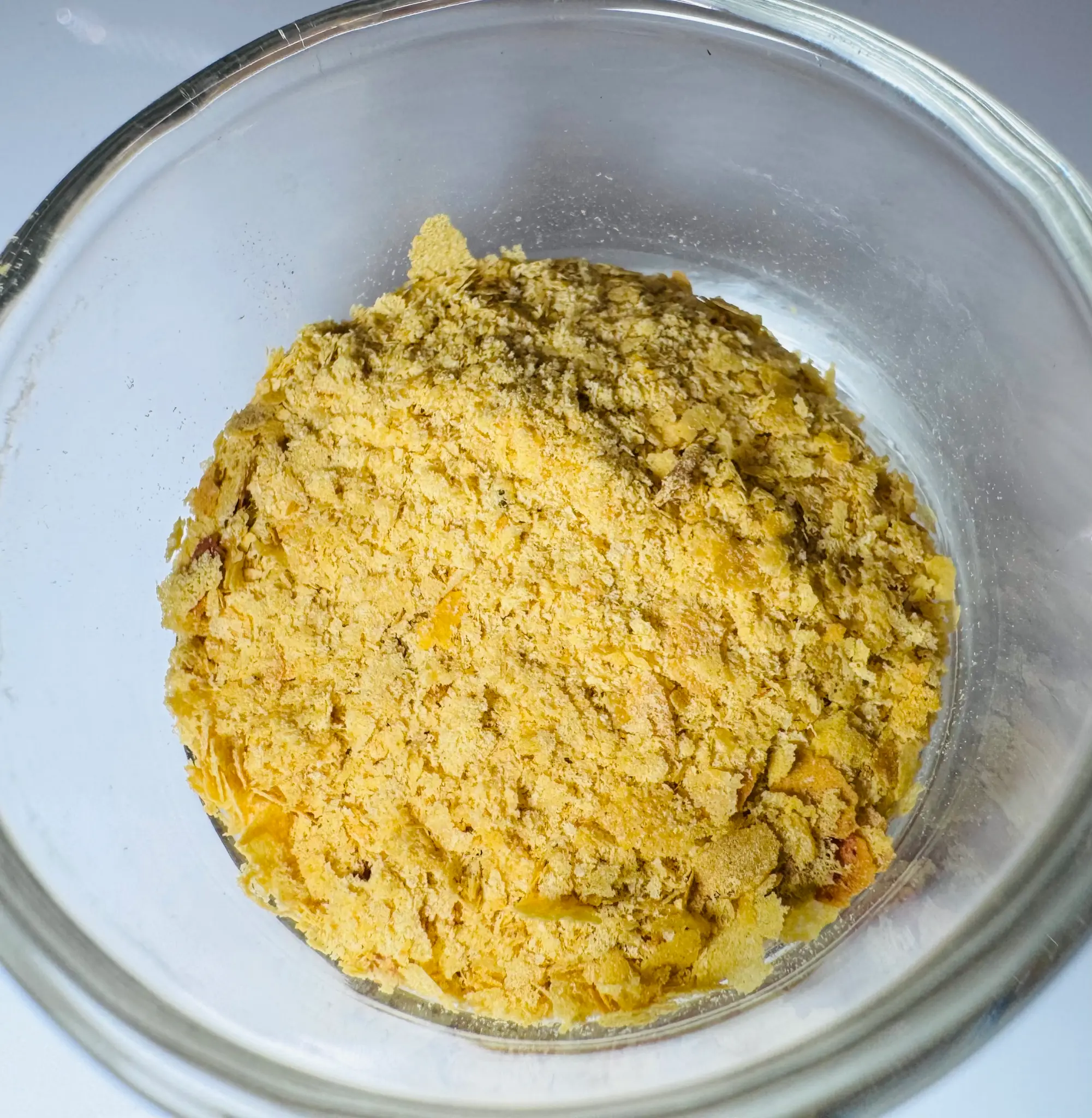
Nutritional Yeast 1.4%
Nutritional Yeast
B-vitamin complex. Essential amino acids. Natural flavor enhancer.

Guaranteed Analysis

Full transparency. No hidden numbers.

Critter Meal โ€” 8 oz (227g)

Crude Protein (min) 15.0%
Crude Fat (min) 3.6%
Crude Fiber (max) 16.0%
Moisture (max) 10.0%
Calcium (min) 4.2%
Phosphorus (min) 0.3%
Calcium:Phosphorus Ratio 14:1
Vitamin A (min) 15,000 IU/kg
Ingredients: Alfalfa Meal, Rolled Oats, Calcium Carbonate, Carrot Powder, Pumpkin Powder, Hibiscus Flower Powder, Bee Pollen, Spirulina Powder, Nutritional Yeast

How to Use Critter Meal

Simple. Effective. Works for all common feeder insects.

1

Colony Feeding Schedule

Roaches & Crickets: Offer Critter Meal every other day, allowing the bowl to empty before refilling. Critter Meal can be served dry or mixed with a small amount of water to a soft oatmeal consistency โ€” both work well. On off days, offer fresh greens (collard greens, carrots, squash). Always provide a moisture source such as fresh vegetables, fruits, or water crystals to keep your colony hydrated.

Mealworms: Critter Meal works great as a dry bedding substrate โ€” simply pour it into the bin and let the mealworms burrow and feed freely. Alternatively, prepare a small wet mix in a shallow bowl or container. Always offer a separate moisture source such as carrot slices, apple pieces, or other fresh fruits and vegetables. Mealworms do not drink standing water and rely entirely on food for hydration.

2

Gut-Load Phase

Offer Critter Meal freely for 24โ€“48 hours before feeding to your gecko. Then remove Critter Meal and offer fresh greens only for the final 12โ€“24 hours before feeding off.

3

Dust & Feed

Dust feeders with calcium powder immediately before offering to your gecko and feed within 15 minutes of dusting for best results. If your gecko does not receive UVB lighting, use calcium + D3 at every feeding. If your gecko receives proper UVB, use plain calcium (no D3) โ€” your gecko synthesizes its own D3 from the light and additional D3 supplementation risks overdose.

Moisture reminder: All feeder insects need a moisture source. For roaches and crickets, offer fresh vegetables or water crystals daily. For mealworms, carrot slices or other juicy fruits and vegetables are ideal. Never offer open water dishes to mealworms or small crickets โ€” they can drown. Works for dubia roaches, red runner roaches, discoid roaches, crickets, mealworms, superworms, and waxworms.

What We Don't Use

Just real, whole superfoods. Nothing else.

Dog Food or Cat Food
Casein (Milk Protein)
DL-Methionine
Animal By-Products
Fish Meal
Wheat Bran Fillers
Corn Meal Fillers
Artificial Colors
Artificial Flavors
Preservatives

Backed by Peer-Reviewed Science

We don't make claims we can't support. Every key benefit is grounded in published research.

Journal of Exotic Pet Medicine ยท 2007

Hoppmann & Barron โ€” Vitamin A & Reptile Shedding

Hypovitaminosis A is a common nutritional disease in insectivorous reptiles. Dysecdysis (poor shedding) is the most common clinical sign and is directly linked to inadequate dietary Vitamin A.

"Dysecdysis is often associated with a lack of adequate vitamin A in the diet." (93 citations)
View Source →
Comparative Biochemistry & Physiology ยท 1975

Mullins & Cochran โ€” Casein & Uric Acid in Cockroaches

Casein protein (found in dog food and dairy) caused double the uric acid accumulation in cockroaches compared to plant-based proteins at equivalent dietary percentages.

"The 25% non-casein protein diet raised uric acid half as much as the 25% casein protein diet."
Annals of the Entomological Society of America ยท 1988

Hamilton & Schal โ€” Dietary Protein & Uric Acid in Cockroaches

A controlled feeding trial using diets ranging from 5% to 65% protein found that high-protein diets caused toxic uric acid accumulation, distended abdomens, and early death in German cockroaches. Longevity decreased as dietary nitrogen increased.

"Insects fed a high-protein diet died with distended abdomens, presumably because of the accumulation of excess urate crystals." (95 citations)
View Source →
Zoo Biology ยท 2021

Cerreta et al. โ€” Uric Acid Storage Across Cockroach Species

A comparative nutrient analysis of four feeder cockroach species confirmed that surplus nitrogen from protein-rich diets is stored as uric acid within the fat body across all species tested, with elevated uric acid in females and adults.

"In cockroaches, surplus nitrogen from a protein-rich diet is stored as uric acid within the fat body." (12 citations)
View Source →
Veterinary Clinics: Exotic Animal Practice ยท 2006

Zwart โ€” DL-Methionine & Reptile Renal Tubule Damage

A comprehensive review of renal pathology in reptiles documented that DL-methionine (seleno-DL-methionine) accumulates in prey animals and reaches significant concentrations in reptile tissues, with renal tubule damage being a documented outcome. The study confirmed that reptile renal tubules are experimentally vulnerable to chemical damage via dietary compounds that alter tubular function.

"Significant concentrations [of seleno-DL-methionine] were accumulated in the [reptile tissues]... the renal tubules were experimentally damaged." (54 citations)
View Source →
Comparative Biochemistry & Physiology ยท 2019

Steffen et al. โ€” Carotenoids & Reptile Coloration

An experimental feeding trial demonstrated that dietary carotenoids are directly deposited in reptile skin tissue, with measurable increases in yellow and red chroma in animals fed carotenoid-rich diets.

"Turtles fed large quantities of carotenoids had increased yellow chroma and increased red chroma." (19 citations)
View Source →

Your Gecko Deserves the Best.

Science-backed. Superfood-powered. 100% plant-based. Formulated at exactly 15% protein โ€” a conservative, research-supported threshold backed by multiple peer-reviewed studies. One formula. Every feeder. Every gecko.

Order Critter Meal โ€” 8 oz $14.99
Made in USA  ยท  Safe for All Feeder Insects  ยท  Crypto Cresties

ยน Hoppmann & Barron (2007), Journal of Exotic Pet Medicine  |  ยฒ Mullins & Cochran (1975), Comparative Biochemistry and Physiology  |  ยณ Steffen et al. (2019), Comparative Biochemistry and Physiology Part B  |  โด Hamilton & Schal (1988), Annals of the Entomological Society of America  |  โต Cerreta et al. (2021), Zoo Biology  |  โถ Zwart (2006), Veterinary Clinics: Exotic Animal Practice

Research shows Vitamin A prevents shedding problems and carotenoids may enhance reptile coloration. Individual results may vary. This product is intended as a feeder insect gut-load supplement, not as a complete diet for reptiles.

ยฉ Crypto Cresties  ยท  www.cryptocresties.com